
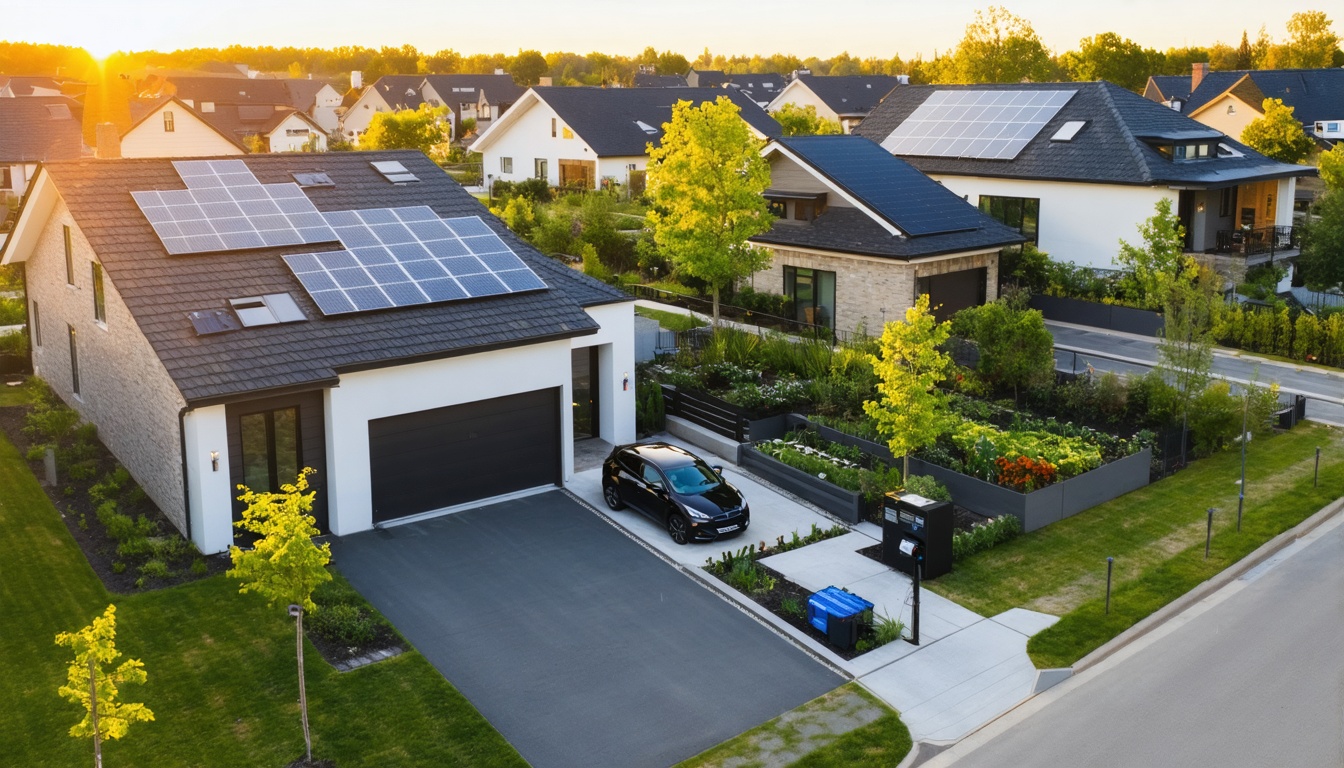
How Solar Energy Helps Households Build a More Sustainable Future
Solar energy presents a viable option for homeowners who are considering both their energy consumption and environmental impact. By integrating solar panels into their homes, individuals may experience lower energy expenses while simultaneously contributing to a reduction in greenhouse gas emissions. Furthermore, the installation of solar panels can enhance a property's market value, as energy efficiency is increasingly prioritized by homebuyers. Advancements in solar technology have led to more efficient and cost-effective systems, making them more accessible for the average consumer. However, before committing to a solar installation, it is essential to assess several important factors. These include the local climate, potential energy savings based on current usage, available incentives or tax credits, and the upfront costs associated with the installation. Understanding these elements can help homeowners make informed decisions about whether solar energy is a suitable investment for their specific circumstances.
The Role of Residential Solar Energy in Sustainability
Home energy consumption significantly contributes to a household’s carbon footprint, and the integration of residential solar energy systems offers a practical approach to reduce this impact. Solar panels convert sunlight into electricity, functioning without the emission of greenhouse gases or air pollutants. Those in Paterson looking to adopt solar solutions can explore local programs at Solar Panels in Paterson. This energy production method supports ecosystem protection, improves air quality, and aids in the conservation of biodiversity.
In addition to environmental advantages, advancements in solar technology provide practical financial benefits for homeowners. These include lower utility bills and the potential for increased property values. By investing in solar energy, homeowners can reduce their reliance on conventional energy sources, which may help stabilize their expenses amid fluctuating energy prices.
Research from the International Renewable Energy Agency indicates that solar installations can enhance energy access in remote regions without the need for significant transmission infrastructure, thus promoting both social and environmental sustainability.
In summary, the adoption of residential solar energy systems offers measurable benefits for individual households while contributing positively to the wider community, aligning with overarching sustainability objectives.
Key Technological Advancements Shaping Home Solar Power
The residential solar power sector has experienced notable changes due to various technological advancements that aim to improve both the efficiency and accessibility of solar systems. Modern solar panels can convert sunlight into electricity with efficiency rates surpassing 22%. Additionally, innovations such as multi-junction cells have achieved efficiencies exceeding 40%, thus enhancing the overall performance of solar technology.
Battery storage technology has also progressed significantly, allowing homeowners to store considerable amounts of energy generated from their solar systems. This development enables greater energy autonomy, which is beneficial for both households and communities aiming to minimize dependence on traditional energy sources.
Moreover, advancements in building-integrated photovoltaics (BIPV) and the use of perovskite materials in manufacturing are broadening the scope of installation options for solar systems. These innovations not only support the seamless integration of solar technology into different architectural designs but also contribute to potential cost reductions in solar implementation.
As the focus on cleaner energy alternatives continues to increase globally, these technological advancements play a crucial role in resolving present challenges and enhancing air quality. The progression of residential solar power can be seen as a steady response to the evolving demands within the energy sector, marked by ongoing innovation and adaptation.
Economic Advantages of Solar Adoption for Households
Adopting solar energy for residential use presents several economic advantages that extend beyond mere reductions in energy costs. Homeowners can achieve substantial long-term savings, with solar panels potentially lowering electricity bills by 50% to 90%. This considerable range is influenced by factors such as local energy rates, system size, and energy consumption patterns.
Advancements in solar technology, coupled with improved procurement strategies, have created more economically viable conditions for consumers. These changes have led to reduced costs for solar panel installation and maintenance, making the investment more accessible.
Government incentives, including tax credits, rebates, and audit refunds, facilitate the financial transition to solar energy by lowering the initial costs associated with installation. Furthermore, net metering policies allow homeowners to sell surplus energy generated by their solar systems back to the grid, providing a potential source of additional income.
Research has also shown that solar energy installations can enhance property values. Homes equipped with solar systems tend to command higher sale prices compared to comparable homes without such systems, reflecting the growing consumer preference for properties with energy-efficient features.
As communities transition to cleaner energy sources, they may encounter a variety of challenges; however, the long-term financial stability that can result from solar energy adoption may offer significant benefits.
Overall, the economic implications of residential solar energy are substantial and warrant thorough evaluation by homeowners considering their energy alternatives.
Reducing Environmental Impact Through Solar Integration
As energy consumption increases globally, the integration of solar panels into residential infrastructure offers a practical method for reducing environmental impact.
Solar energy systems generate electricity without emissions during their operational phase, contributing to a cleaner energy source that can mitigate climate change. Unlike fossil fuel sources, solar panels utilize sunlight to produce power without emitting greenhouse gases or other air pollutants.
Transitioning to solar energy can support the conservation of ecosystems, improve air quality, and enhance biodiversity preservation.
The rising adoption of solar technology among communities and industries indicates a shift towards more sustainable energy practices. By opting for solar panel installation, homeowners can participate in the movement towards cleaner energy generation and contribute to broader sustainability goals being pursued globally.
Factors to Consider Before Installing Solar Panels
Before considering solar panel installation, it is necessary to evaluate the suitability of your home for this alternative energy source. Several key factors should be examined, including the characteristics of your property—specifically, the orientation and angle of your roof, as well as the potential for shading from nearby structures or trees. These factors can significantly influence the amount of sunlight your solar system is able to capture, which in turn affects its overall efficiency in converting sunlight into electricity.
Another critical aspect is the structural integrity of your roof. It must be assessed to determine whether it can adequately support the weight of the solar panels. Additionally, homeowners should be aware of local zoning regulations, as these rules govern the installation process and must be adhered to for compliance.
The effective placement of solar panels is also essential for maximizing energy generation, which can lead to reduced dependence on conventional energy sources. This transition may contribute positively to environmental conservation and improved air quality, although such outcomes depend on numerous variables and are not guaranteed.
Moreover, understanding net metering arrangements can provide potential financial benefits for homeowners. Net metering allows for credit to be received for any excess energy generated by the solar panels that is fed back into the grid.
A thorough planning process, combined with sound procurement strategies and an awareness of developments within the solar industry, can facilitate the adoption of solar technology. This consideration is particularly relevant during times of change within the broader energy sector.
The Relationship Between Solar Energy and Electric Vehicles
The integration of solar energy systems with electric vehicles (EVs) presents a viable strategy for consumers to utilize renewable electricity, which can help reduce household emissions. Solar panels capture sunlight to convert it into electricity, eliminating the greenhouse gas emissions associated with fossil fuel energy sources. This combination offers potential financial and environmental benefits, such as protection against volatile energy prices and reductions in utility expenses.
Government incentives, including tax credits and rebates, can play a significant role in facilitating the installation of solar panels, which may lead to higher adoption rates among consumers.
Moreover, individuals equipped with solar energy systems often have the option to sell excess electricity back to the grid, thus creating additional financial opportunities.
As global energy trends increasingly favor sustainable sources, the synergy between solar energy and electric vehicles aligns with broader efforts to promote ecological sustainability. This integration not only contributes to environmental conservation but also supports energy independence and resilience within the current energy framework.
Such developments are relevant to ongoing discussions surrounding achievable objectives related to sustainable energy development.
Overcoming Common Barriers to Residential Solar Deployment
Homeowners considering the installation of residential solar systems often encounter several challenges. A primary barrier is the significant initial investment required for solar technology. However, various government incentives, tax credits, and financing options are available to help mitigate these economic challenges and make solar energy more attainable for homeowners.
Effective planning and procurement strategies are vital for ensuring successful solar deployment. Utilizing tools such as an Efficiency Utility Bill Audit can aid homeowners in evaluating the suitability of their property for solar installation. This audit assesses key factors such as roof orientation, size, and shading conditions to estimate the potential energy output of solar panels.
Recent advancements in solar technology, including building-integrated photovoltaics and flexible solar panels, are providing homeowners with a broader range of options that can accommodate both functional and aesthetic considerations. These innovations reflect ongoing improvements in the solar industry aimed at enhancing accessibility and integration into diverse residential settings.
Alternative solutions such as community solar programs are available for individuals who may not have the option to install solar panels on their own properties. These programs allow participants to invest in shared solar projects, which can lead to lower energy expenses.
Additionally, advancements in energy storage technology improve the practicality of solar energy systems, enabling homeowners to store surplus energy generated during peak sunlight hours for later use.
In summary, although homeowners may face obstacles to adopting residential solar solutions, a combination of financial incentives, technological advancements, and alternative energy programs can facilitate the transition to cleaner energy sources. This aligns with broader global initiatives aimed at promoting sustainable energy systems.
Conclusion
Adopting solar energy can contribute to sustainability, financial savings, and increased energy independence for households. Solar panels have been shown to enhance property values, provide consistent power supply, and lower carbon emissions. The advancements in solar technology and the availability of governmental incentives have made the transition to solar energy more feasible for consumers. Investing in solar energy can reduce monthly utility costs and offer long-term economic benefits. Moreover, the environmental implications of using solar energy include a decrease in reliance on fossil fuels, which can positively impact community health and local ecosystems. Therefore, for those considering solar energy solutions, the decision is backed by practical benefits that extend beyond individual households to broader community and environmental considerations.